Spring Lawn Prep for Warm-Season Grasses
Spring Lawn Prep
As temperatures begin to rise across the South, warm-season grasses like Bermudagrass, Zoysia, and Centipedegrass are coming out of dormancy and preparing for active growth. Spring lawn care prep for warm-season grasses can set you up for a healthy, thick lawn that can withstand summer heat.
Clean Up Your Lawn
The first step is to clean up your lawn. Remove leaves, debris, and any dead grass that may have accumulated over the winter. This allows sunlight and air to reach the soil, encouraging new growth. If your lawn has a heavy layer of thatch, light dethatching can also help improve turf health.
Soil Testing
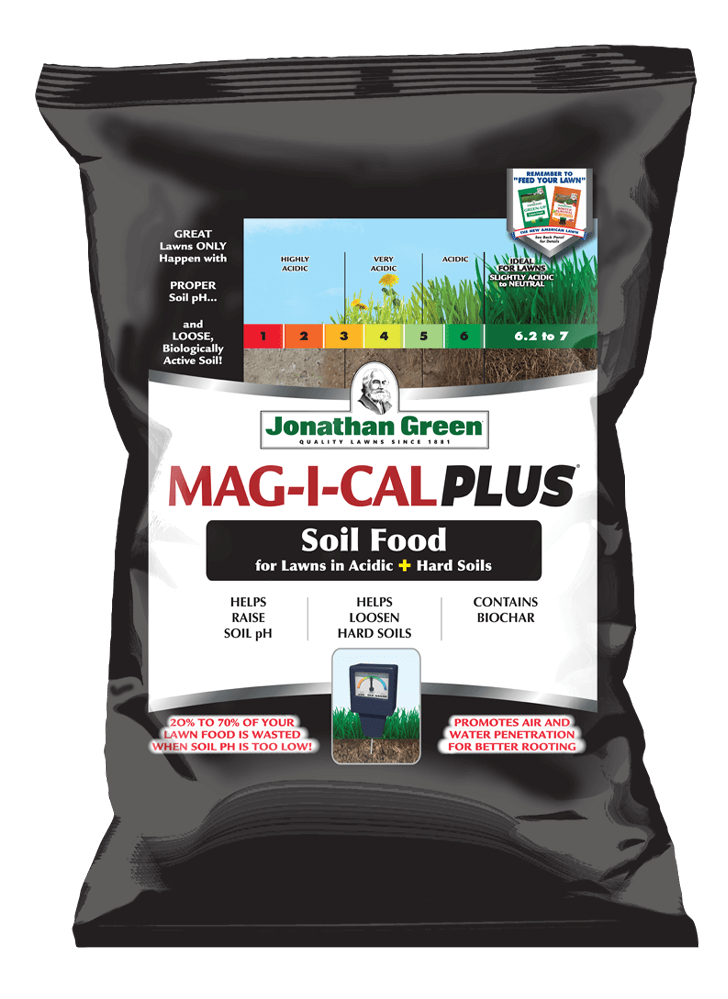
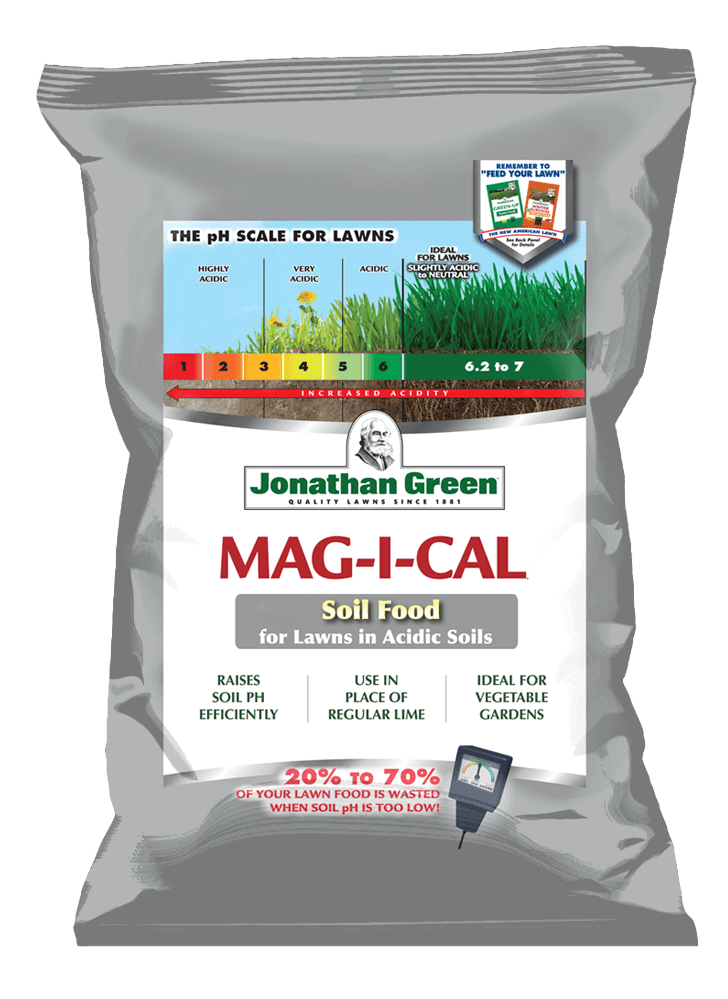
Next, consider soil testing. Southern soils can vary widely, and knowing your soil’s pH and nutrient levels ensures you apply the right fertilizer at the right time. Warm-season grasses typically prefer slightly acidic to neutral soil, and addressing deficiencies early will promote stronger root development. Our soil amendments, such as Love Your Soil, Mag-i-Cal Plus for Acidic & Hard Soil, and Mag-i-Cal Plus for Alkaline & Hard Soil, are great to help balance your soil’s pH level.
Mowing
As your lawn begins to green up, it’s time to start mowing. Set your mower to the appropriate height for your grass type and avoid cutting more than one-third of the blade at a time. Early, consistent mowing encourages growth, helping your lawn fill in more densely.
Fertilizing & Weed Control
Fertilization should begin once your lawn is fully out of dormancy and actively growing. Applying fertilizer too early can do more harm than good, so timing is key. A balanced or slow-release fertilizer will provide steady nutrients and support healthy, sustained growth throughout the season.
Weed control is another important part of spring lawn care. If you didn’t apply a pre-emergent herbicide earlier in the season, you can still manage visible weeds with post-emergent treatments. Keeping weeds under control now prevents them from competing with your grass for nutrients and water.
Watering Your Lawn
Finally, establish a proper watering routine. While spring often brings rain, it’s important to monitor moisture levels and water deeply but infrequently to encourage deep root growth. This will help your lawn become more drought-tolerant as summer approaches.
With a little attention in early spring, your warm-season lawn will be well-positioned for a lush, green growing season.
To learn more about taking care of your lawn, download our FREE lawn care guide today!